Current Inspiration #25
May 7, 2026
There are certain things that ask us to slow down.
A chair shaped by generations of craft. A conversation that reconnects us to culture. A home that supports our wellbeing in ways both visible and unseen. A building that has endured long enough to hold memory in its walls. They may seem like separate subjects, but lately they have felt closely linked.
Perhaps that is because, in a world increasingly defined by speed and uniformity, what resonates most is often what carries depth. What has been made with care. What has been shaped by time. What allows us to feel more rooted, more attentive, and more connected to the places we inhabit.
Lately, these ideas have been circling around the same larger question for us: what makes a space worth returning to, and why do certain objects, places, and experiences continue to shape how we design and how we live?
The Value of Craftsmanship
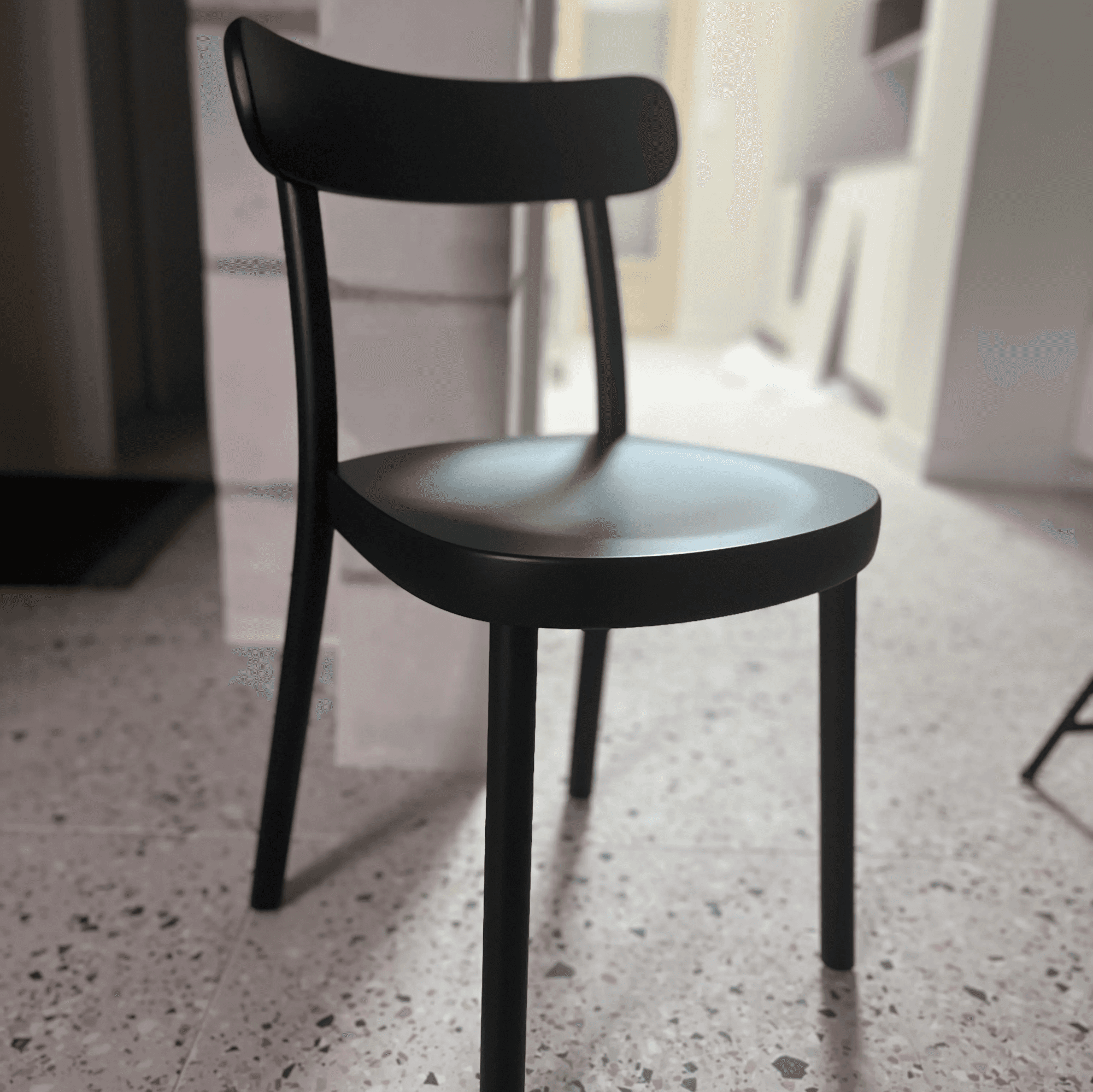
Ton has stayed on our minds as a reminder of what makes a piece of furniture feel lasting. The company’s bentwood tradition dates back to the 19th century, with continuous production in Czech Republic since 1861, and its work still reflects a deep understanding of material, technique, and form.
What draws us to pieces like these is not only their history, but their quiet clarity. There is a confidence in furniture that is thoughtfully made. You feel it in the restraint, in the proportion, and in the way the material allows the piece to live quietly in the background while still shaping the character of a space.
In many ways, craftsmanship offers a different pace of living. It invites us to choose with intention and to live with objects that become more meaningful through use. In interiors, that kind of longevity matters. The pieces that stay with us are rarely the loudest. More often, they are the ones that feel resolved from the start.
It is for all these reasons and more that Ton has become a partner for Loire Design Lab, aligning with our values and philosophy on craftsmanship and design.
Culture As a Design Lens
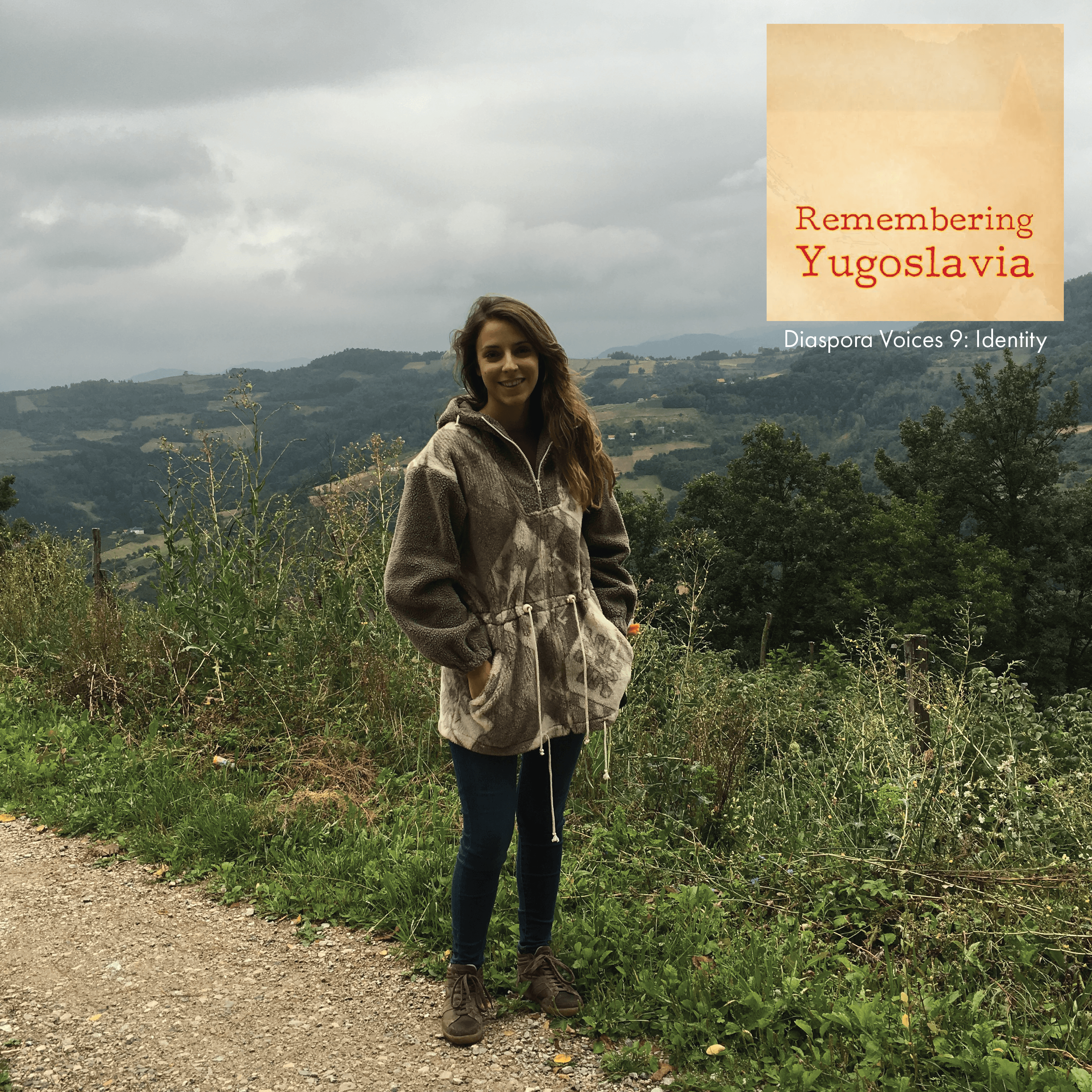
Recently, Dijana was featured on the Remembering Yugoslavia podcast, and the conversation offered a meaningful reminder that culture is not something separate from the way we live or design. It shapes what we notice, what we value, and what feels familiar enough to call beautiful.
Exposure to culture gives us range. It sharpens perception. It expands our emotional vocabulary. Whether that comes through heritage, language, travel, memory, music, or shared rituals, it informs the lens through which we interpret space.
This feels especially important in design, where so much can easily become flattened into trend. Cultural fluency offers something deeper. It helps us create spaces with nuance, with texture, and with a stronger sense of identity. It reminds us that taste is rarely accidental. More often, it is shaped slowly by what we have seen, absorbed, and carried with us.
Why Non-Toxic Interiors Matter
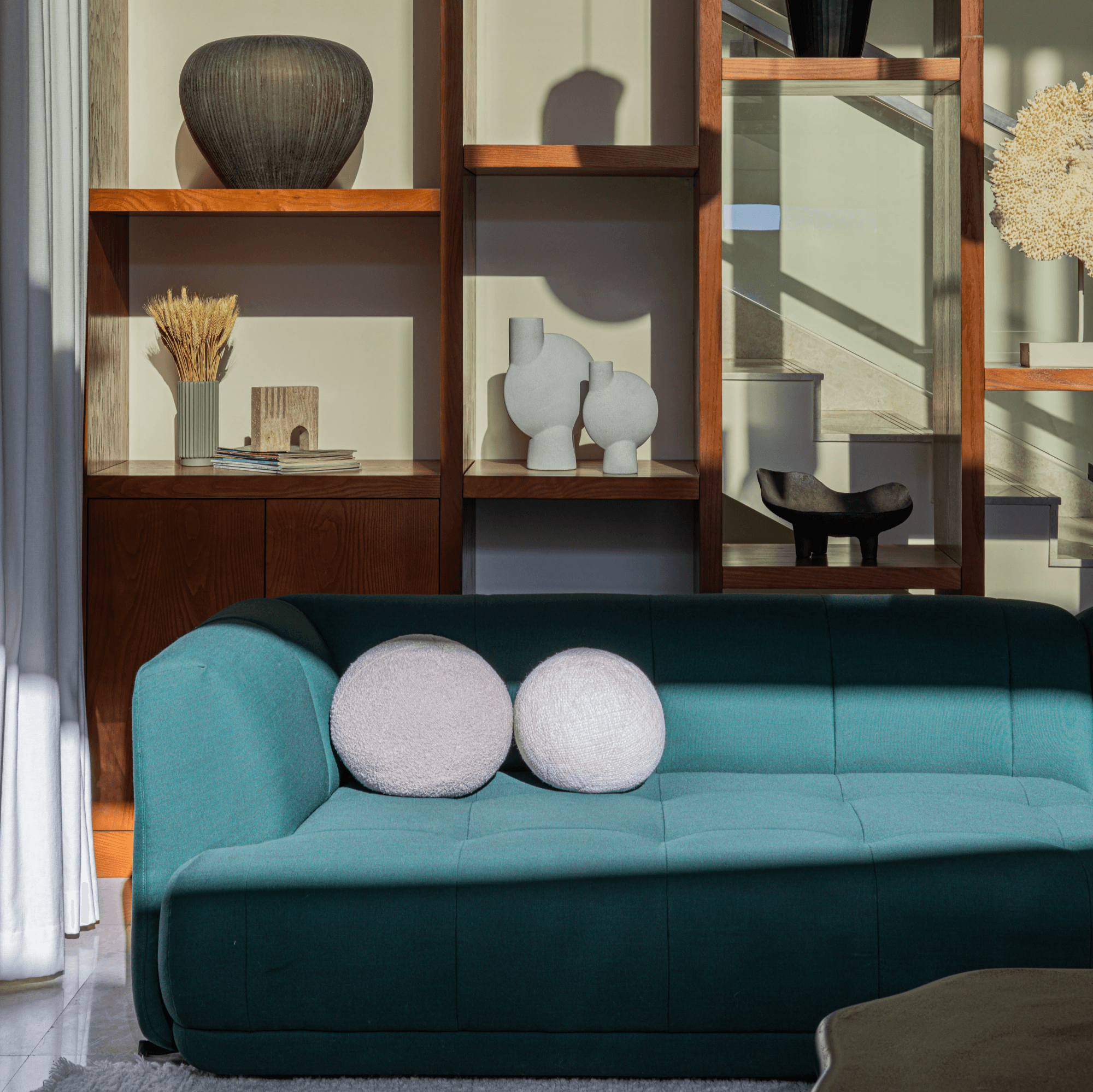
The question of what a home is made of remains central to the way this studio thinks about design. A home is not only something we look at. It is something we breathe in, move through, and return to every day. That is why non-toxic interiors are not an added layer to good design. They are part of its foundation.
Studies show us that the levels of several common organic pollutants are often 2 to 5 times higher indoors than outdoors, and can become far higher during and after the use of certain products. That reality makes material selection more than an aesthetic decision. It becomes a question of how a home supports the health and comfort of the people living within it.
At MAREDI Design, that means choosing with care. It means understanding that beauty should never come at the expense of wellbeing. A home can be aesthetically compelling without compromising crucial elements that support health, longevity and resilience.
The Pull of Existing Place
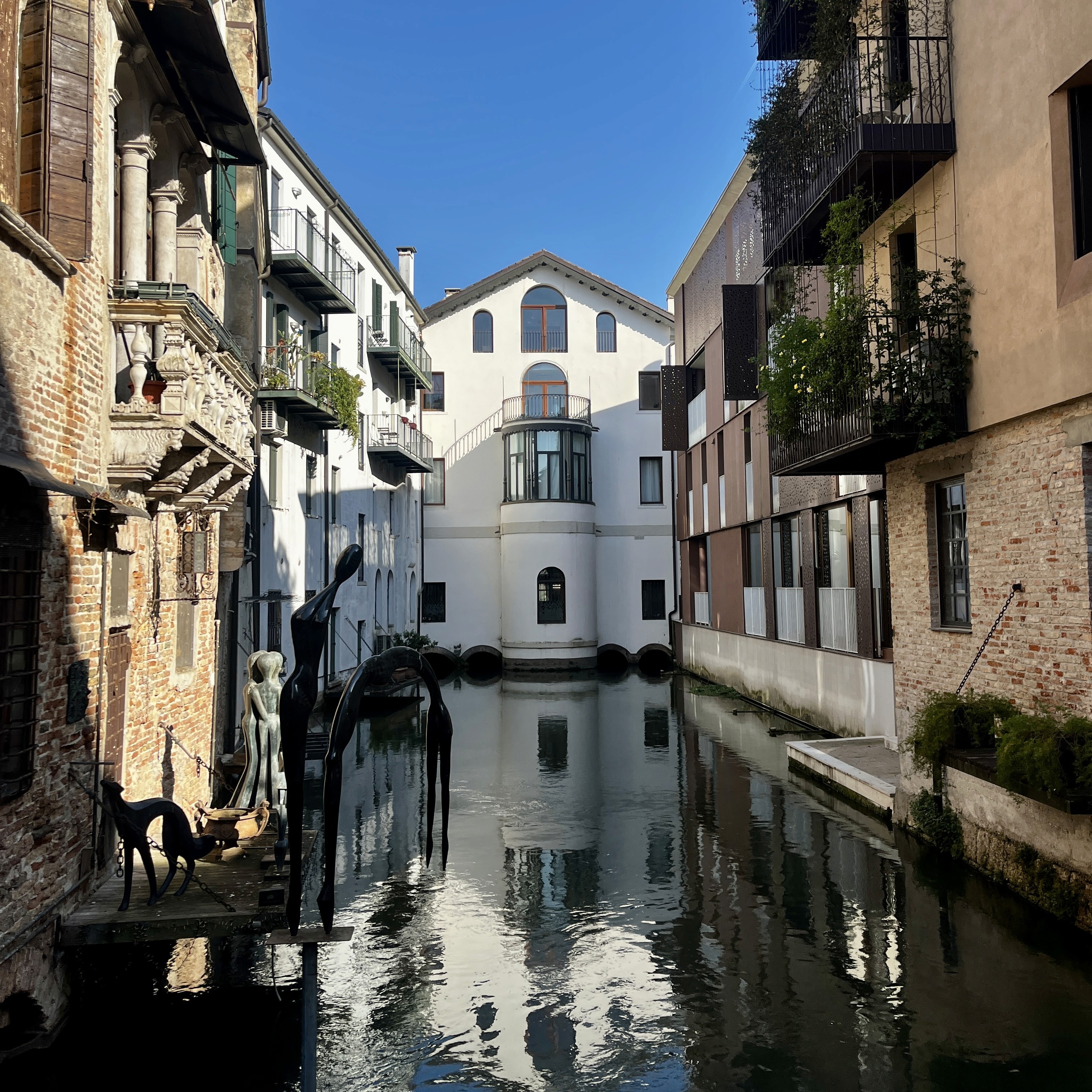
There is also the question of what already exists. So often, the places that stay with us most are not the newest, but the ones marked by age, use, and continuity. A weathered façade. A stone floor worn smooth over time. A street that still carries the imprint of the lives lived along it.
During our recent trip to Venice several weeks ago, we tuned in a little deeper to this sentiment of why old places can feel so powerful, and why existing structures deserve more appreciation in the places we live every day.
They connect us to something larger than ourselves. They remind us that the built environment does not need to be new to feel alive. In many cases, it is precisely age, texture, and adaptation that give a place its soul.
To us, that is one of the most compelling arguments for preservation, thoughtful renovation, and adaptive reuse. It is not only about saving buildings. It is about protecting continuity, character, and the layered stories that make a place feel alive.
Thoughts
When these ideas are placed side by side — craft, culture, wellbeing, and the value of what already exists — they seem to circle the same question: what is worth preserving?
Not only in our homes, but in the ways we choose to live. Not only in objects or buildings, but in knowledge, memory, and ways of making that ask more of us than convenience.
Perhaps that is the deeper work of design. Not to chase what is temporary, but to pay attention to what remains. And in doing so, to create homes and spaces that feel more rooted and more intentional.
What object, place, material, or memory has most shaped the way you think about home?
Project Highlight - New Announcement
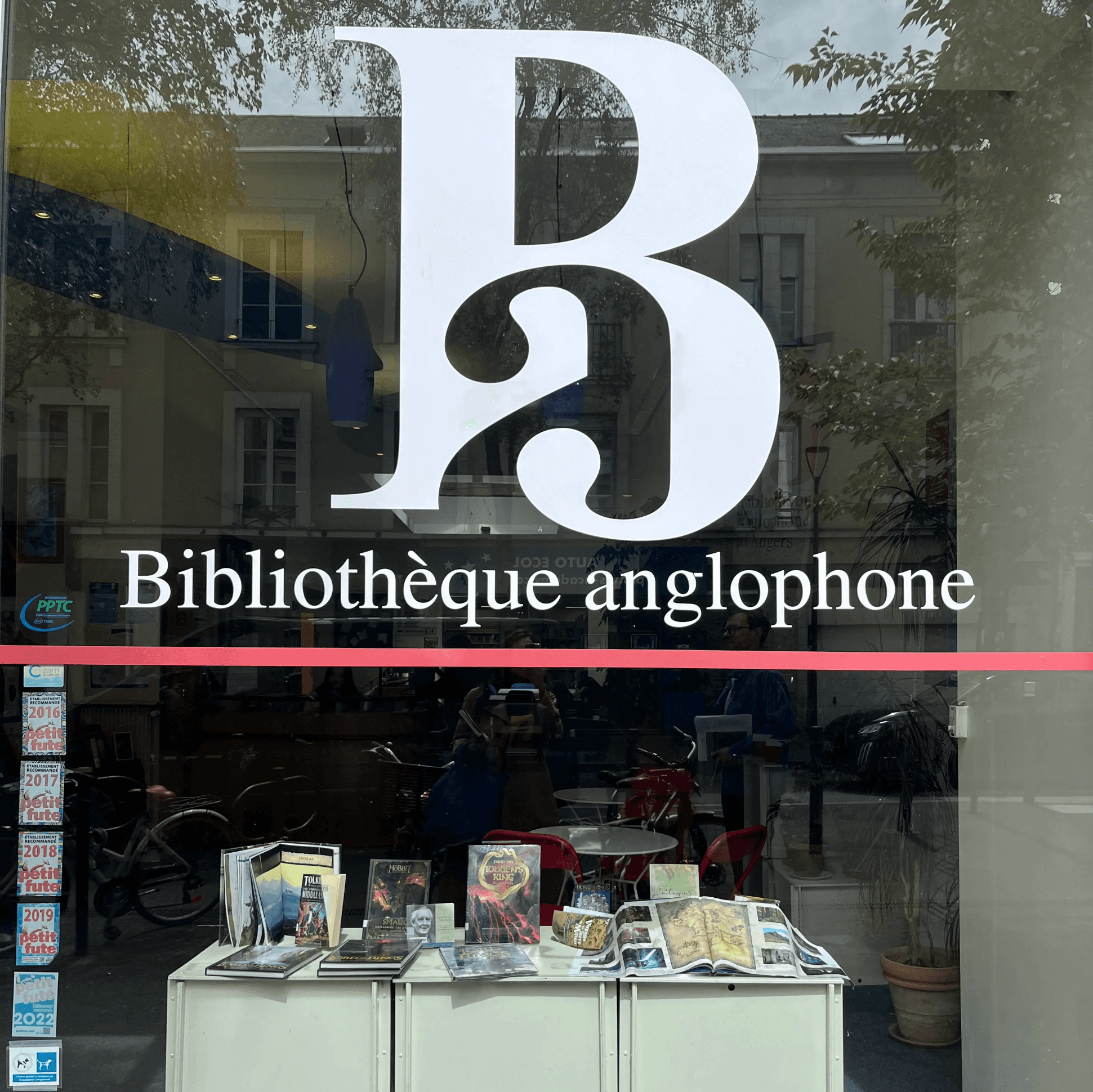
That same appreciation for what already exists continues in one of our newest projects for the Bibliothèque Anglophone in Angers (English-language Library), which is evolving to become La Maison anglophone – Bibliothèque et Centre Culturel.
It is a project we are especially excited to be part of, not only because of what the institution represents culturally, but because it speaks to the kind of work we are continually drawn to. It reminds us why existing institutions matter, and why their spaces deserve to be handled with care.
This news feels especially resonant in the context of this newsletter edition, continuing the thread of weaving the value of craft, culture, and what endures. This project is a real-world example of those ideas in practice.
For us, there is something deeply rewarding about working on a project that sits within an established fabric rather than outside of it. As self-proclaimed Anjou Ambassadors, this could not be more timely and more aligned with our admiration, fascination and respect for this singularly unique French region we call home!