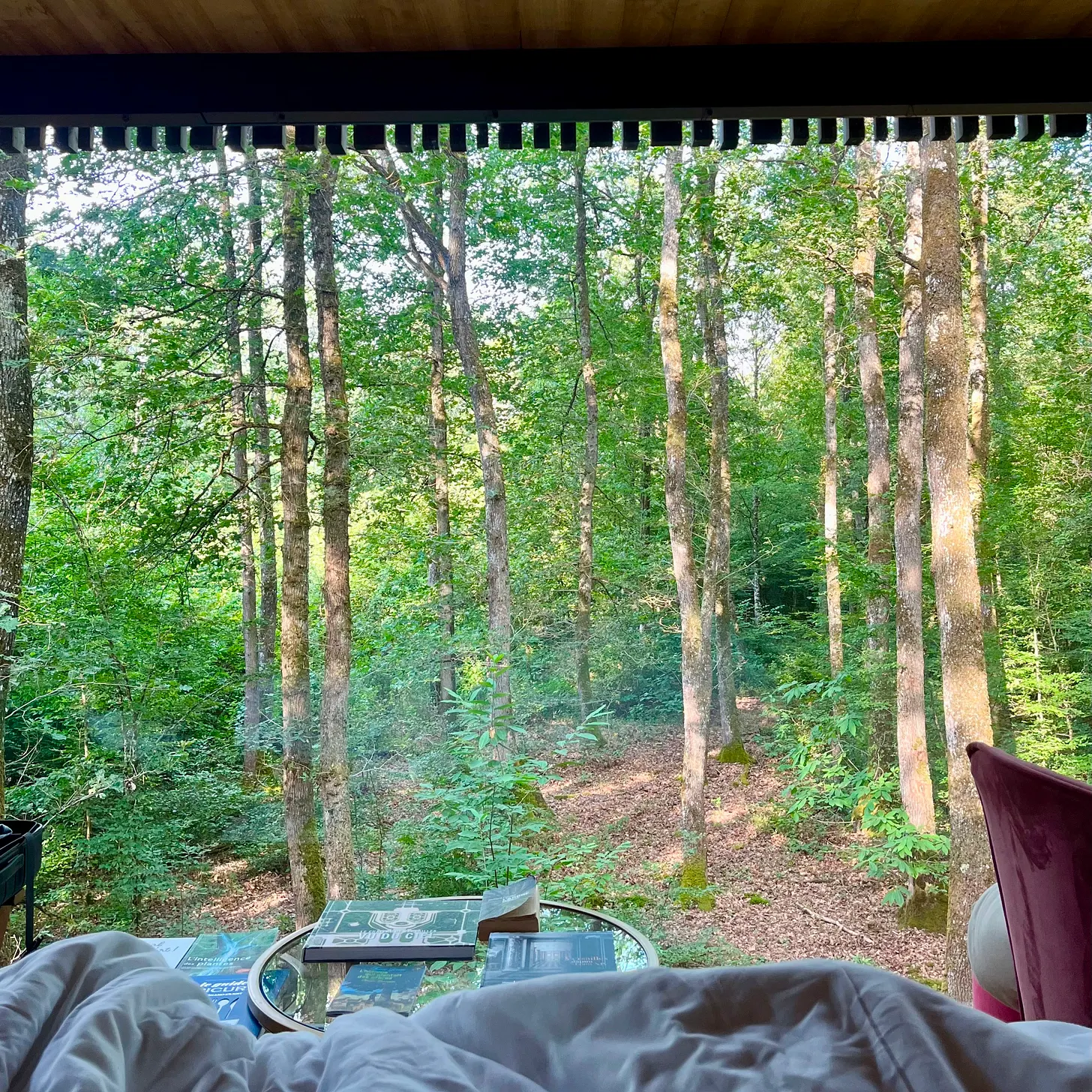
The Air Inside Is the One You Can Control
Aug 10, 2026

Freshly back from Chicago, we're still processing how, in our final week there, we were barely outdoors despite it being peak summer. July is usually one of the best months in the Midwest, made for full indulgence in whatever the weather offers. This July was different. And not just in the Midwest.
Heatwaves aren’t unusual for the region, but they’re becoming more frequent and more intense. Childhood memories of open windows and summer breezes have largely been replaced by closed-up homes running air conditioning nonstop, especially in the US. Europe does things a bit differently and we have thoughts on that, too.
But something less familiar has also settled over the Midwest this year: toxic, hazardous air quality from distant, hard-to-control forest fires.
If you’ve followed the news, you’ve read about the Canadian wildfires that sent thick smoke rolling across the US. This was the worst cycle we’ve seen in three summers and likely mild compared to what’s coming. As an almost apocalyptic haze settled over Chicago and beyond, it felt both enraging and sobering: this is the new normal, and a reminder that everything is connected. What happens in one place doesn’t stay there. It travels. We can’t outrun it, and we can’t pretend it won’t reach us. It already has.
And now, historic wildfires are tearing through parts of France, Spain, and even Scotland.
Why Designers Should Care
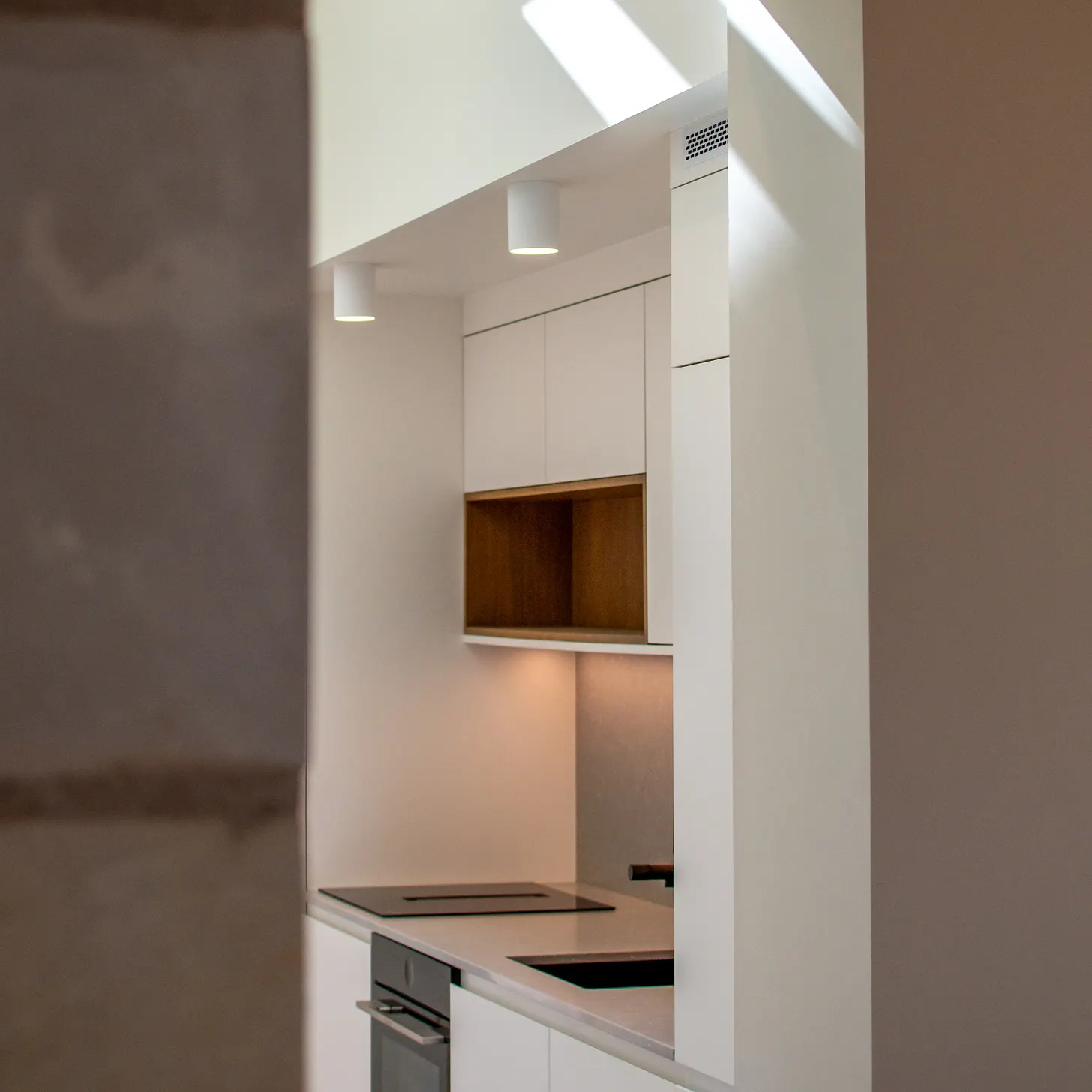
As designers with a holistic approach, air quality has always been a focus in our work. It’s become something of a buzzword in sustainability circles, but I wonder if it’s too siloed, treated as a niche concern rather than something that touches everyone.
Our work leaves a deep imprint on the interiors we shape. Beyond the aesthetics, the spaces we bring to life, there are invisible results: felt, not seen. The products, materials, finishes, furniture, objects, everything we bring into a space creates a lingering veil in the air, long after the final walkthrough.
Suffice it to say, we hold real responsibility for the health of the spaces we create — for the air quality we plant. We have a direct impact on the families who live in the homes we design.
Stuck Between Two Fronts
As design professionals, we’re caught between a rock and a hard place. We need to carefully vet everything we source and install for the sake of indoor air quality. At the same time, we have to reckon with the fact that outdoor air is deteriorating and increasingly making its way inside.
Before addressing what’s coming from outside, let’s start with what we control indoors.
Start With Paint
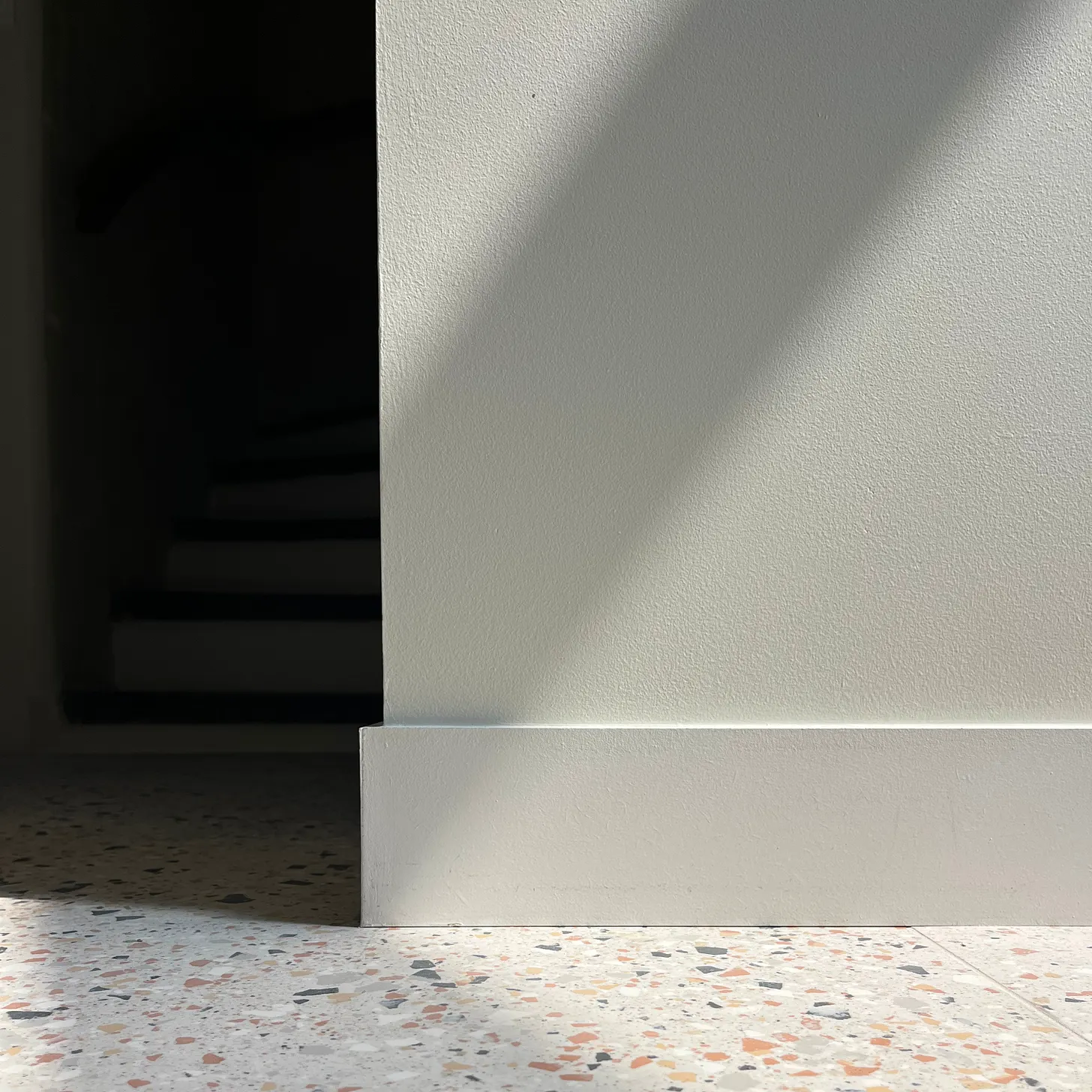
The easiest place for anyone to begin is paint — this point can’t be overstated. Conventional, mass-market paint is acrylic, which means petrochemicals. I don’t want to sound alarmist, but would you douse your walls in gasoline? No. So why choose a paint that’s a byproduct of the petroleum industry?
Natural, non-toxic alternatives, such as mineral-based and bio-based paints, are widely available. Brands we love include Alkemis, Keim, and Argile.
Then Flooring
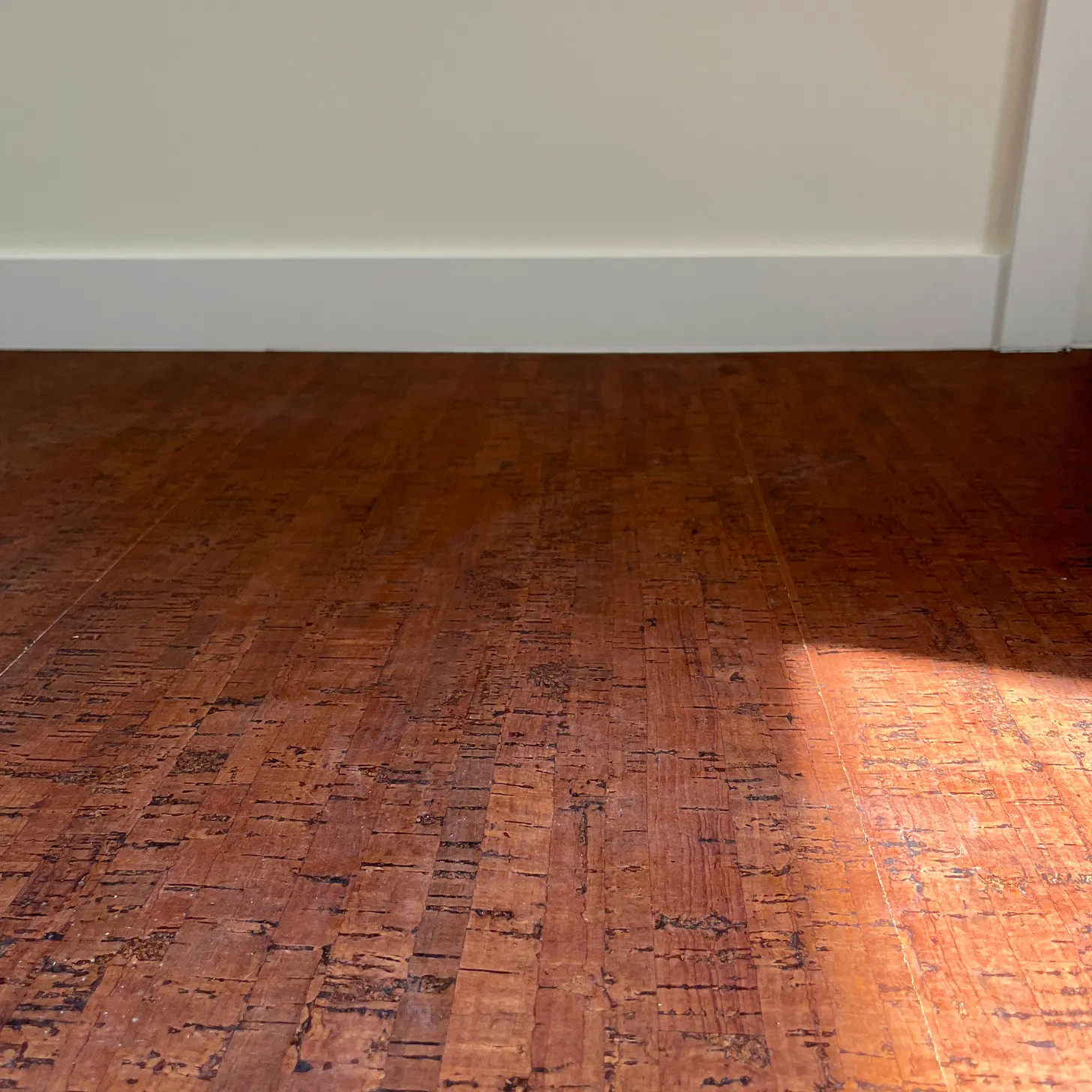
After paint, which covers more surface area than any other material in a home, flooring is next. Vinyl is prized for durability and low maintenance, but it’s rarely mentioned that it, too, is petrochemical-based. Avoid it. Instead, prioritize cork, hardwood, select engineered woods, or tile.
We could go category by category through an entire home — and honestly, that might be its own article or series (something we’re considering). But the point is this: whether or not you work with a design professional, what you bring into your home matters. Everything in it releases small particles into the air — particles we eventually breathe or ingest.
Setting aside wildfire smoke or polluted wind, our indoor air is generally more polluted than the air outside. That alone should give us pause.
Looking Ahead
As toxic-air episodes from wildfires, chemical spills, and other disasters become more regular, passive house principles offer a useful framework: better insulation, triple-pane windows, and efficient mechanical systems are big-ticket investments — but they make a real difference in what makes it inside your home.
The trade off is that the scale and scope of what it takes to bring these solutions into our homes is not always feasible or realistic — we also understand that. In some cases, these are things to plan for and consider in bite-sized bits (one window at a time, opting for electrification one appliance at a time, etc). Not perfect, but incremental.
At MAREDI Design, we carry a mixed bag of optimism within the design duo. From my perspective, I’m not sure I’m entirely hopeful. I can’t control forest fires or the next natural disaster. But I can reflect on our work, our manifesto, our goal: incremental change, one project and one home at a time. That’s something everyone can focus on, incrementally. We can’t control the smoke, but we can control the walls, floors, and windows that decide how much of it reaches our families.