This Is Not About Air Conditioning
Jul 8, 2026

If you’ve followed the headlines this summer, you’ve seen the panic: heatwaves breaking records across continents, one after another.
As a Franco-American studio with Serbian roots, this isn’t abstract for us. We left France just as it hit record heat at the end of June, landed in Chicago in time for its own heatwave, and know exactly what awaits us in Serbia come August: heat deserts, tropical nights, no relief in sight.

You might ask what any of this has to do with interior design. More than you’d think.
Sustainable, healthy homes are the core of our practice, and thermal comfort sits right at the center of that. Most of our work is renovation and restoration centric, which means we’re constantly confronting how unprepared the built environment is for where the climate is heading, one project at a time.
There’s no single fix. Every city, climate, and building is different. But there are principles that hold up everywhere.
And no, air conditioning isn’t the silver bullet, even if it remains essential for places like hospitals and schools. There's a lot of debate around AC, especially in France, and while we do have clients asking about it, there are other solutions to consider as well.
So let’s talk about some of those other essential and preventative measures we should take that actually help, starting with the immediate and moving toward the long-term.
Let the air move
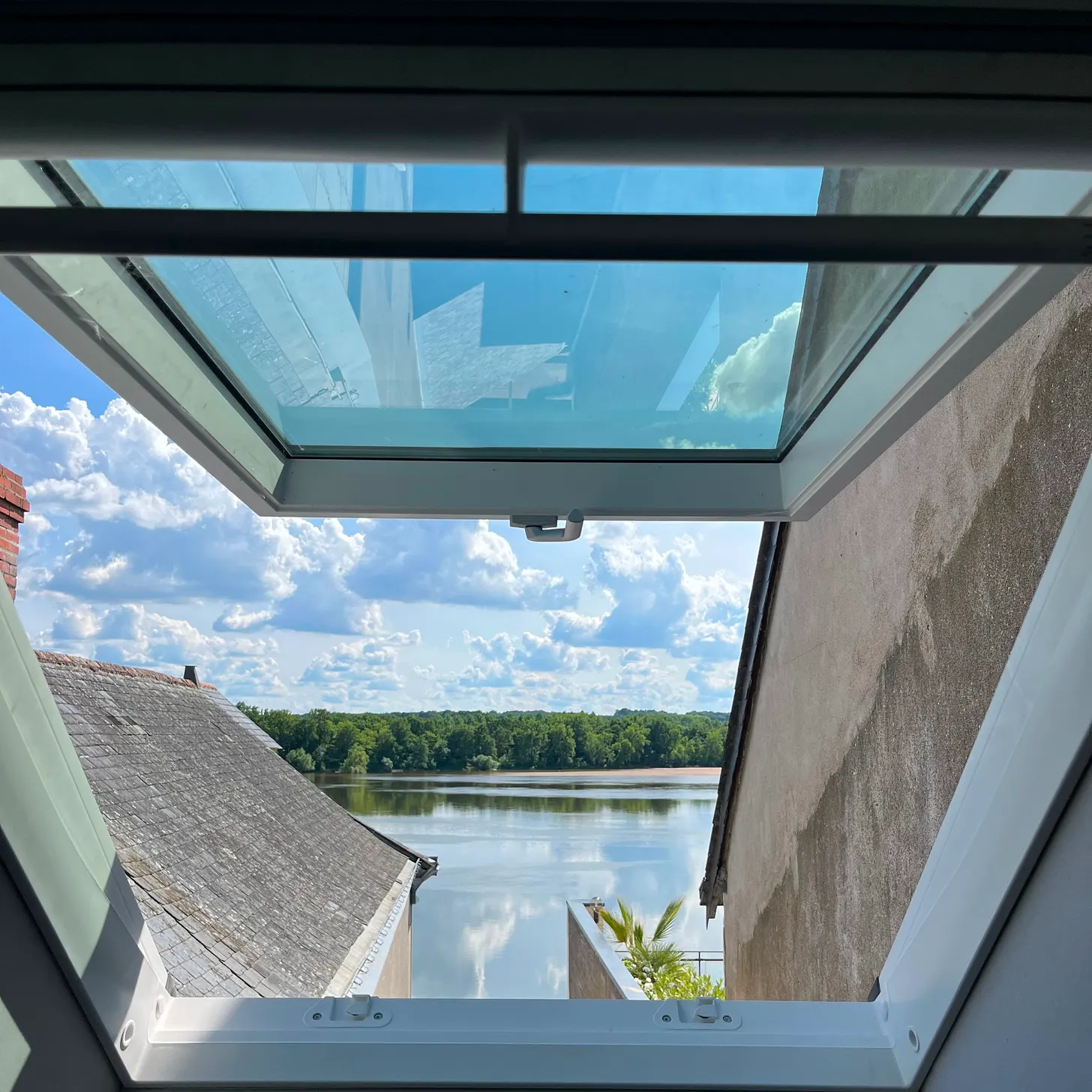
The simplest fix for anyone riding out a heatwave without AC is airflow. Opening windows on opposite sides of a room, when possible, cools a space dramatically. Ceiling or standing fans can produce similar relief when cross-ventilation isn’t an option. If you don’t have one yet, consider it a non-negotiable.
Our tip: We love Faro Barcelona for fans that are as sleek as they are functional.
Shade is your friend
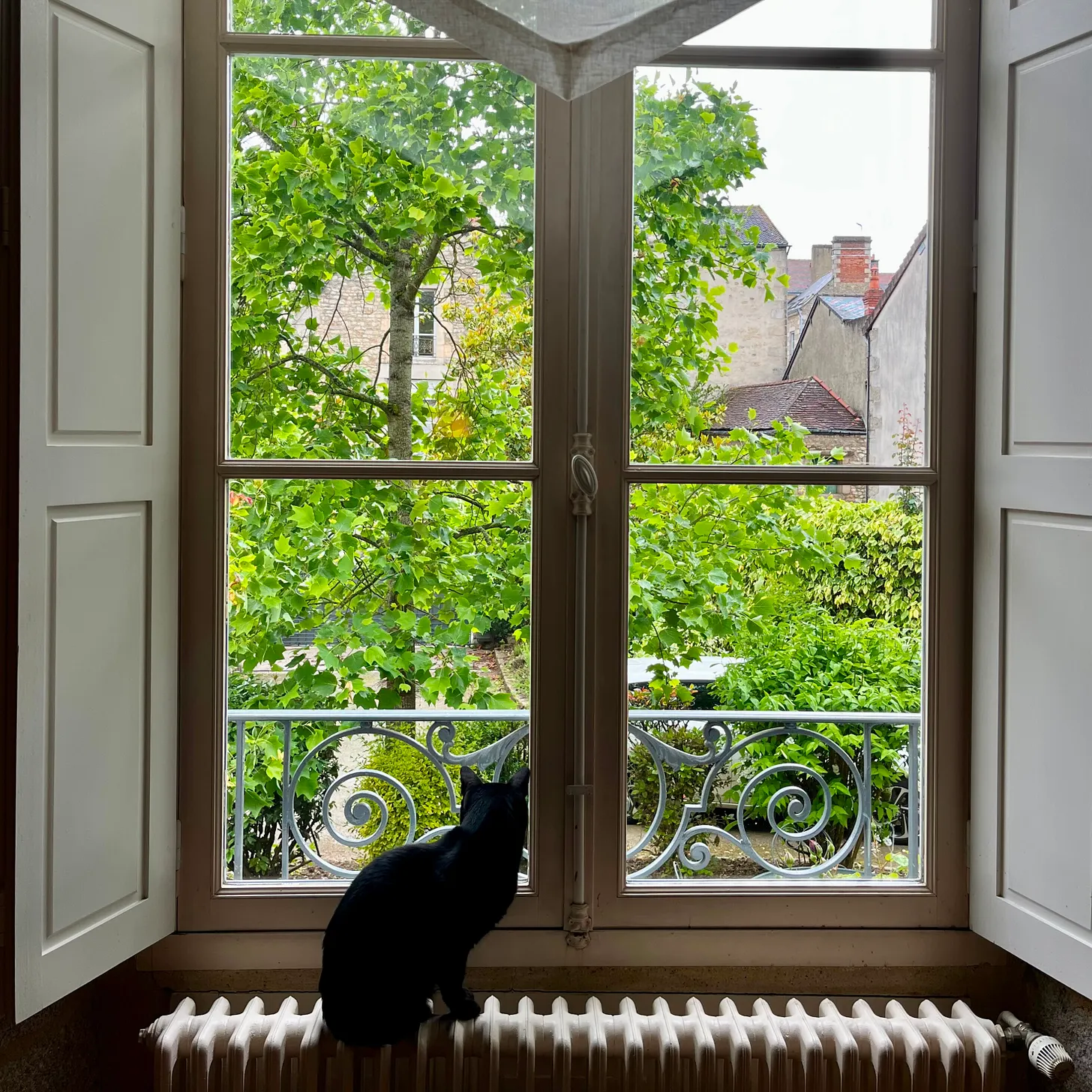
Timing matters. Once peak heat hits (late afternoon, typically), close everything up to trap the cool air you still have. Exterior shutters, window canopies, and curtains all work by blocking solar radiation before it enters.
Blackout curtains are the easiest upgrade almost anyone can make: they insulate year-round, keeping heat out in summer and in during winter. One rule: always be sure that the window-facing side is lined in white or light colored fabric, which deflects heat versus dark fabric that absorbs it.
Choose fibers that breathe
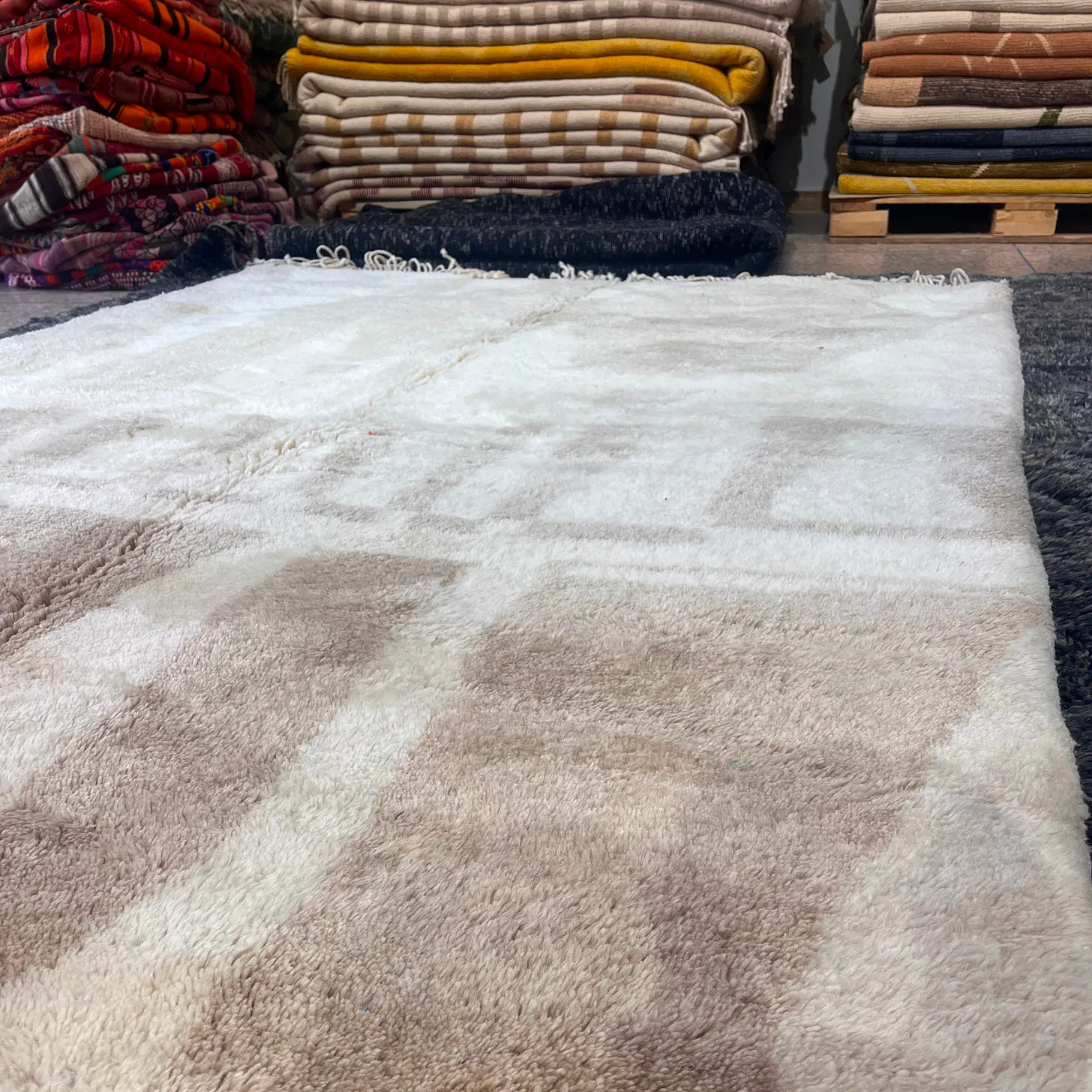
Swap synthetic bedding, cushions, and rugs for natural fibers. Cotton and linen wick moisture and let your body breathe; acrylic and polyester trap heat instead. The same logic extends to upholstery, flooring, and rugs where cotton, linen, hemp, cork, and wool are all natural thermal regulators. Wool rugs, in particular, absorb heat and moisture at peak hours and release it as temperatures drop.
Our tip: We love wool rugs from Salam Hello and Armadillo.
What’s inside your walls
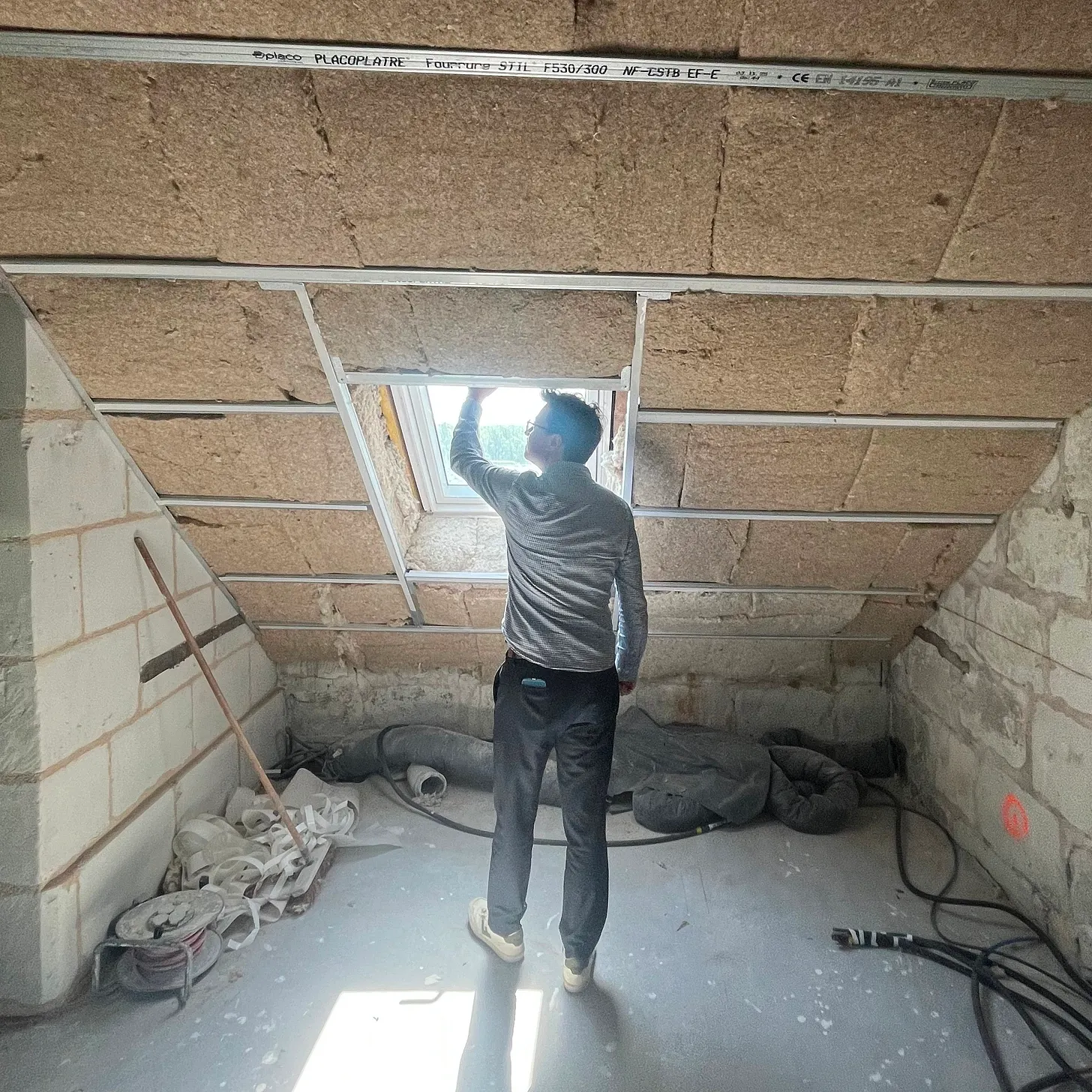
Here’s the part most designers skip: construction matters as much as finishes. What insulation are you using? How are the layers between your facade and drywall built? These decisions shape how a home feels, which makes them a top priority for us, even if you can’t see them.
We push our clients toward healthier, better-performing insulation options such as wool, hemp, recycled cotton, wood fiber, and we talk windows (double vs. triple glazing) early with architects and contractors, because retrofitting this later is far harder (and more expensive).
Our tip: Listen to our episode with The Holistic Architect on The Green Route — she breaks down why insulation is as much a health issue as a comfort one.
And we’ll always make the case for mineral and bio-based paints over conventional acrylic ones. Their high vapor permeability lets walls breathe, so moisture escapes instead of getting trapped which, combined with synthetic insulation, is exactly how condensation (and eventually mold) takes hold during a heatwave.
If you want to go further, we recommend considering Passive House strategies which are comfortable in every season, with major energy savings built in.
Don’t forget the trees
Greenery might be the most underrated tool cities have against extreme heat. We’ve felt it firsthand from our days living in Paris and New York, where concrete streets turn into heat deserts, but step into a park and the temperature drops 10 to 20 degrees, no contest.
Tree coverage is one of the most cost-effective climate solutions available, yet it’s consistently underprioritized. Chicago sits around 16% coverage, Paris around 21%, neither of which is where it needs to be.
What your designer won’t say
Thermal comfort isn’t a luxury conversation, it’s a design responsibility. The choices we make in walls, windows, and materials shape how liveable a home is long after the headlines move on. With new climate norms setting in across the globe, we need to adapt faster, smarter and more responsibly. Starting small and incrementally can make a difference in your space.
What’s one change you’ve made at home to stay cool without relying on AC?